



Cloud Computing Explained: Why Fully Managed CloudOps is the Future

A deep dive into CloudOps vs. IaaS and PaaS for DACH businesses.
Cloud computing has become the foundation of digital transformation. Yet, as businesses navigate this shift, many still rely on outdated models like IaaS and PaaS; solutions that demand significant in-house expertise and operational overhead. The reality? These approaches no longer deliver the agility and resilience modern enterprises need. The future lies in fully managed CloudOps services; a model that combines infrastructure, automation, security, and cost governance into one seamless experience.
What is Cloud Computing?
Cloud computing delivers computing resources: servers, storage, networking, and applications over the internet. Traditionally, businesses adopted:
- IaaS (Infrastructure as a Service): Virtual machines and storage, but you manage everything else.
- PaaS (Platform as a Service): Development platforms, but still requires internal DevOps and security oversight.
While these models were revolutionary a decade ago, they now fall short. Why? Because they leave critical responsibilities such as monitoring, patching, compliance, cost optimization and security on your team’s shoulders. This is where CloudOps changes the game.
Why Fully Managed CloudOps Outperforms IaaS and PaaS
1. End-to-End Management
CloudOps isn’t just infrastructure, it’s a complete operational layer. From deployments and release automation to monitoring and incident response, everything is handled by experts. Your team focuses on innovation, not firefighting.
2. Built-In Security and Compliance
Instead of scrambling to meet ISO 27001 or GDPR requirements, CloudOps integrates compliance into the service. Managed providers ensure data sovereignty for businesses and align with the highest security standards which are critical for regulated industries.
3. Cost Governance with FinOps
CloudOps embeds FinOps practices to optimize spending across environments. Unlike IaaS, where costs spiral without visibility, CloudOps provides real-time insights and automated cost controls; even for AI workloads that demand high-performance computing.
4. Automation and AIOps
CloudOps automates provisioning, scaling, patching and configuration so your team can focus on innovation. AI‑driven observability spots anomalies before they hit users and triggers self‑healing actions, cutting MTTR and a near‑continuous uptime with less firefighting.
5. Future-Ready Architecture
Our stack enforces zero‑trust everywhere – least privilege, continuous verification and micro‑segmentation protect every service. GitOps pipelines, infrastructure as code, DevSecOps deliver immutable, compliant infrastructure that scales from bare metal to AI, edge and IoT workloads.
The outcome is a future‑ready foundation that quickly adapts to new technologies.
Emerging Trends Driving CloudOps Adoption
1. Regulatory Compliance and Governance
Compliance remains a critical priority as organizations must adhere to stringent regulations such as GDPR, Swiss DPA, FINMA, and the upcoming EU AI Act. Fully managed CloudOps services simplify this complexity by embedding compliance into the architecture through:
- Continuous monitoring and auditor-ready dashboards
- Automated governance frameworks and policy enforcement (e.g., encryption, network segregation)
- DevSecOps practices integrated across the lifecycle
Hybrid and multicloud strategies complement this by enabling data residency compliance while leveraging best-in-class services from multiple providers. CloudOps ensures these complex environments remain secure and compliant.
2. Operational Efficiency and Automation
Organizations need to innovate faster while reducing operational overhead. Traditional IaaS/PaaS models require manual patching, monitoring, and deployments, slowing delivery. CloudOps accelerates time-to-market through:
- Infrastructure as Code (IaC) and CI/CD pipelines
- AIOps-driven automation for proactive issue resolution
- Cloud-native architectures (microservices, serverless) for shorter release cycles and scalability
Generative AI workloads amplify this need, thriving in environments where infrastructure, observability, and security are fully automated.
3. Cost Optimization and Predictability
Uncontrolled cloud spend can erode ROI. CloudOps embeds FinOps practices to deliver:
- Real-time cost monitoring and anomaly detection
- Budgeting alerts and predictive analytics
- Optimization of resource usage without compromising business continuity (BC) and disaster recovery (DR)
This ensures predictable costs while maintaining resilience and performance.
Strategic Considerations for DACH Businesses
Cloud adoption in Switzerland, Germany, and Austria is not just about moving workloads to the cloud; it’s about doing so in a way that meets stringent regulatory, operational, and business requirements. Here are the key considerations:
Regulatory Compliance
Businesses in the DACH region face strict compliance obligations under GDPR, Swiss DPA, FINMA, and the EU AI Act. Fully managed CloudOps services simplify this complexity by embedding compliance into the architecture. Ensureing ISO 27001-certified environments, continuous GRC monitoring, and auditor-ready dashboards should not be an afterthought but a built-in feature.
Operational Efficiency
Traditional IaaS and PaaS models require internal teams to manage patching, monitoring, and deployments. This creates bottlenecks and increases risk. CloudOps eliminates these burdens through automated patch management, progressive delivery strategies like blue-green and canary deployments, and 24/7 monitoring by platform engineers; not generic support agents. This means faster releases, reduced MTTR, and predictable SLAs.
Innovation Enablement
To stay competitive, businesses need to focus on product development and customer experience, not infrastructure firefighting. A solution like CloudOps Complete integrates IaC, CI/CD, and AIOps-driven automation, enabling teams to launch features up to 35% faster while maintaining security and reliability. This frees resources for innovation and accelerates time-to-market.
Cost Governance
Cloud costs can spiral quickly without visibility. Applying FinOps best practices from day one, including real-time cost monitoring, anomaly detection, and budgeting alerts is critical. This ensures predictable costs and prevents overspending, even for complex multicloud or AI workloads.
Looking Ahead
The era of piecemeal cloud solutions is over. Businesses need a partner that delivers agility, security, compliance, and cost control in one integrated solution. Skyquest is that partner.
End-to-End CloudOps Management
Skyquest handles the full lifecycle of your cloud infrastructure; from design and migration to day-2 operations. Our Well-Architected Framework reviews eliminate single points of failure, while Zero Trust architectures and advanced observability ensure resilience and security.
AI Integration and Governance
As AI adoption accelerates, compliance and governance become critical. Skyquest’s AI Complete service builds custom AI solutions on secure, compliant platforms, with guardrails for EU AI Act alignment. We provide private LLM deployments, retrieval-augmented systems, and MLOps pipelines for lifecycle management, ensuring your AI is safe, scalable, and auditable.
Security and Compliance by Design
We implement defense-in-depth strategies, including encryption at rest and in transit, IAM with least privilege, and continuous vulnerability scanning. Our compliance automation tools map cloud controls to frameworks like ISO 27001, GDPR, and EU AI Act, giving auditors real-time visibility.
Financial Optimization and Predictability
Skyquest offers transparent pricing with no hidden margins. Infrastructure and tooling costs are passed through at cost, paired with a subscription model for stability. Combined with FinOps optimization, this delivers predictable budgeting and measurable ROI.
Future-Ready Architecture
Whether you need hybrid or multicloud setups, managed Kubernetes clusters, or AI workloads optimized for performance and cost, skyquest ensures your architecture is cloud-native, portable, and ready for tomorrow’s challenges.
Author
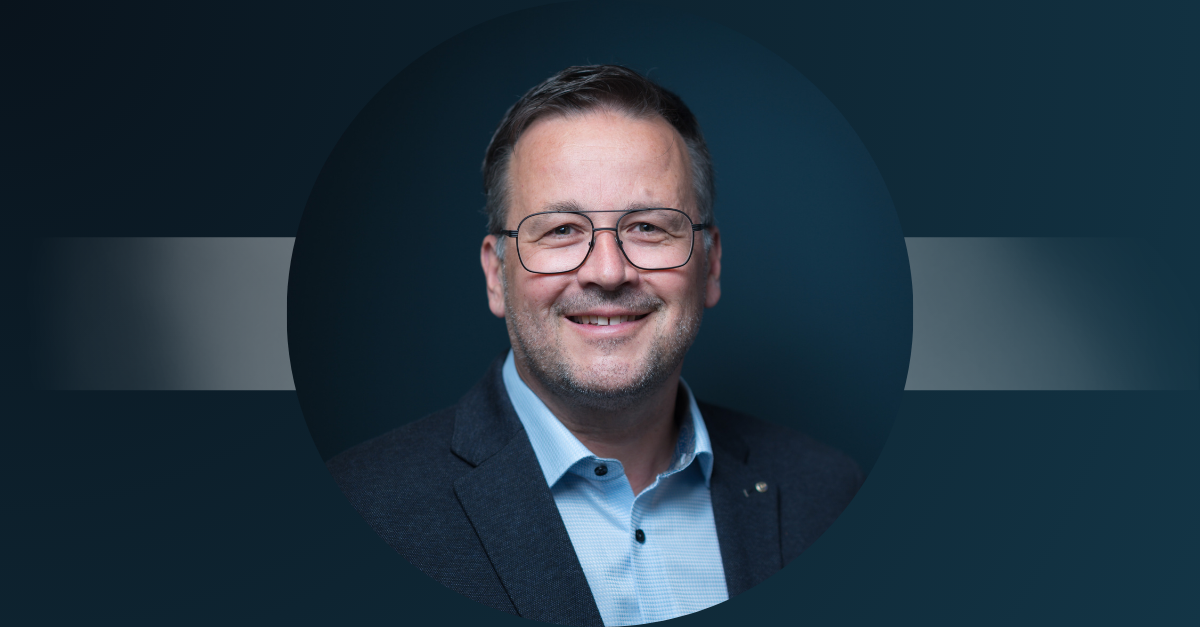
Andrea Borzì - Head of Software Operations




Ready to get started together?
We provide you with personal support and stand by your side as a long-term, reliable partner.